

Finding the right game can be tough. Civilization 7 Hands gives you what you need. This preview will show how it creates an unforgettable journey. Let’s start.
Highlights:
- Civilization 7 lets you mix different leaders and civilizations for new strategies. For example, you can have Benjamin Franklin lead Egypt.
- The game introduces Legacy Paths and Age Transitions that affect how your city grows and wins. You choose paths like Science or Culture to shape your civilization.
- New features like the Crisis System make challenges harder, but unique units for each civilization add depth to battles. Also, cities look like miniatures in a diorama style.
- Players must plan urban and rural districts carefully, making rivers important for winning. Building costs gold, affecting city growth.
- Civilizations get commanders who move groups of units together, strengthening after nearby battles for better army management.
Key Changes in Civilization 7
Civilization 7 shakes things up. Players can now mix different cultures and their leaders, stepping into a new era with Legacy Paths.
Mix and match civilizations and leaders
Sid Meier’s Civilization VII lets players pick leaders and civilizations that don’t usually go together. Imagine Benjamin Franklin leading Egypt. This change adds fun ways to play the game.
Players can try different combinations in each game.
In Civ 7, you get to mix things up – like putting Benjamin Franklin in charge of the Pyramids.
This feature means more strategies and surprises. Each leader brings unique skills to their civilization, from Antiquity through the Modern Age. So, a player might start with ancient Egyptian warriors but end up using modern technology under Franklin’s guidance.
This mix-and-match approach gives each game a fresh feel.
New Age Transitions and Legacy Paths
In Civilization 7, Age Transitions are big deals. Players guide their cities through time. Every shift opens new doors. You start with small towns. They don’t make much at first.
Legacy Paths shape your world. Choose from Science, Culture, Military, Economy. Each path changes how you play and win. This makes every game different.
Say goodbye to simple wins in this Firaxis Games’ adventure. These new rules let you craft a unique story on navigable rivers and face natural disasters head-on. Your choices set the stage for victory or defeat in Sid Meier’s Civilization world.
Unique Features and Gameplay Enhancements
Civilization 7 brings fresh twists and turns, keeping gamers on their toes. With a crisis system, players face unexpected challenges, while distinct warrior units add depth to battles.
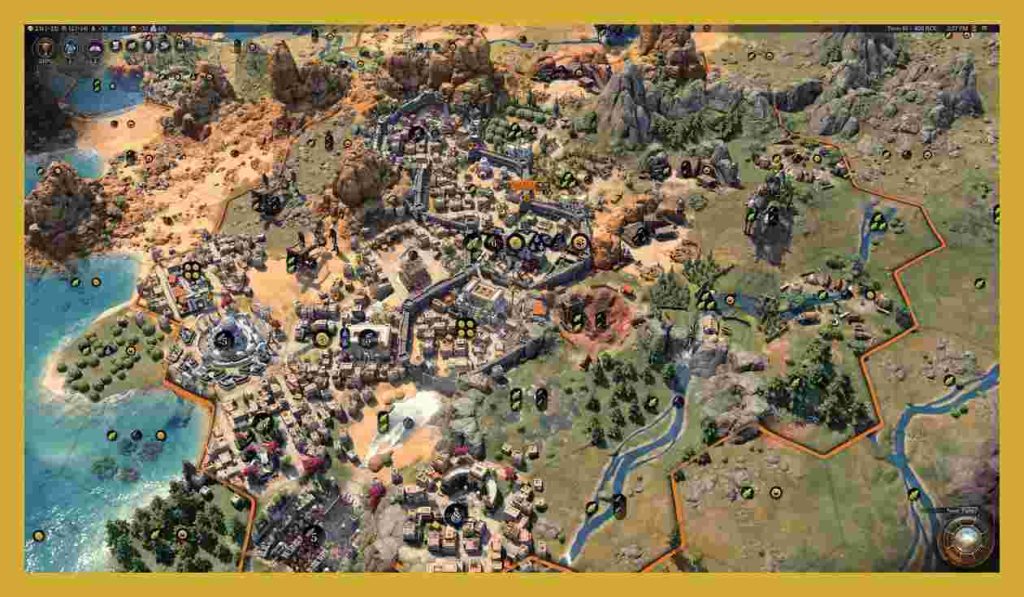
The game uses a creative diorama style, making strategy planning more engaging.
Crisis System and unique Civ Units
The Crisis System adds debuffs. This makes the game harder during tough times. For example, Egypt has special units like Medjay and Tjaty. These units are not found in other civilizations.
Commanders can move groups of units at once. They get stronger after winning nearby battles. This helps you manage big armies more easily and plan your victories in urban and rural districts better.
Every battle is a chance for your commanders to become heroes.
Stylized diorama approach to strategy
Moving from unique units and crisis systems, Civilization 7 introduces a fresh visual style. It looks like a diorama. This means everything looks like it is part of a small model world.
Cities, forests, and rivers all have this special look that makes you feel like you’re controlling a miniature world on your table.
In this game, the action happens in three hours but doesn’t even finish one Age. This shows how deep and detailed the gameplay is. Players get more ways to interact than in Civilization 6.
For example, commanders give bonuses but don’t fight directly. Every piece on the board—every unit or city—adds to the feeling of building an epic legacy across ages in Sid Meier’s Civilization series, well-known for its strategy gaming depth as highlighted by Ars Technica and XCOM fans alike.
Crafting an Epic Legacy in Civ 7
In Civ 7, players plan cities and farms with more detail. This makes for an exciting challenge in reaching victory conditions.
Enhanced urban and rural district planning
Cities and towns grow in Civ 7. You start a town, make gold, and choose what it becomes next. To turn it into a city costs 350 gold. This game lets you pick different spots for your buildings more than before.
Some places are for houses or shops (urban). Others are for farms or trees (rural).
Now, rivers matter too. Your town can be next to one. This makes planning where to build important for winning the game. Each choice changes how your place looks and works.
Conclusion
Civilization 7 will change how we play strategy games. It mixes old and new ideas in exciting ways. Players can choose leaders and civilizations, face crises, and build cities in a fresh style.
The game makes planning more important than before. Fans of strategy games have much to look forward to with Civ 7’s release.
